Sculpture & Installation
Exhibitions extend the studio practice of Third Craft, bringing together ceramic work rooted in ritual, landscape, and the quiet significance of everyday objects. Working between functional and artistic traditions, Leena creates vessels and forms that explore memory, material, and the relationship between hand and place. Each body of work emerges through a process grounded in attention, restraint, and the enduring language of clay.
This archive documents current, upcoming, and selected past exhibitions, including solo presentations, group exhibitions, and juried shows. Through installation views and project documentation, these exhibitions reflect an evolving practice that considers ceramics not only as objects of use, but as spaces for reflection, presence, and connection.
Palestine: Grief & Connection Through Clay | فلسطين: الحزن والتواصل من خلال الطين
On view March 25 – May 31, 2026
Arab American National Museum
Palestine: Grief & Connection Through Clay brings together a collective of Palestinian ceramic artists working at the intersection of material, memory, and identity. Presented by Palipotters, the exhibition explores how clay, drawn from the earth itself, can hold stories of land, displacement, resilience, and return.
Through vessels, sculptural forms, and tactile surfaces, the artists engage with themes of grief and connection, reflecting both personal and collective experiences. Their works speak to the enduring ties between people and homeland, while also navigating the realities of fragmentation and loss.
In this context, clay becomes more than a medium; it serves as an archive, preserving cultural memory and bearing witness to histories that cannot be erased. Each piece offers a space for reflection, inviting viewers to consider the ways art can sustain identity, foster connection, and carry stories across generations.
Featuring works by Leena Ismail, Car Nazzal, Eman Srouji, Leila Srouji, Amal Tamari, Pam Totah, Marina Wahbeh, and Karina Yanes.
Presented in conjunction with NCECA 2026.
Leena Ismail
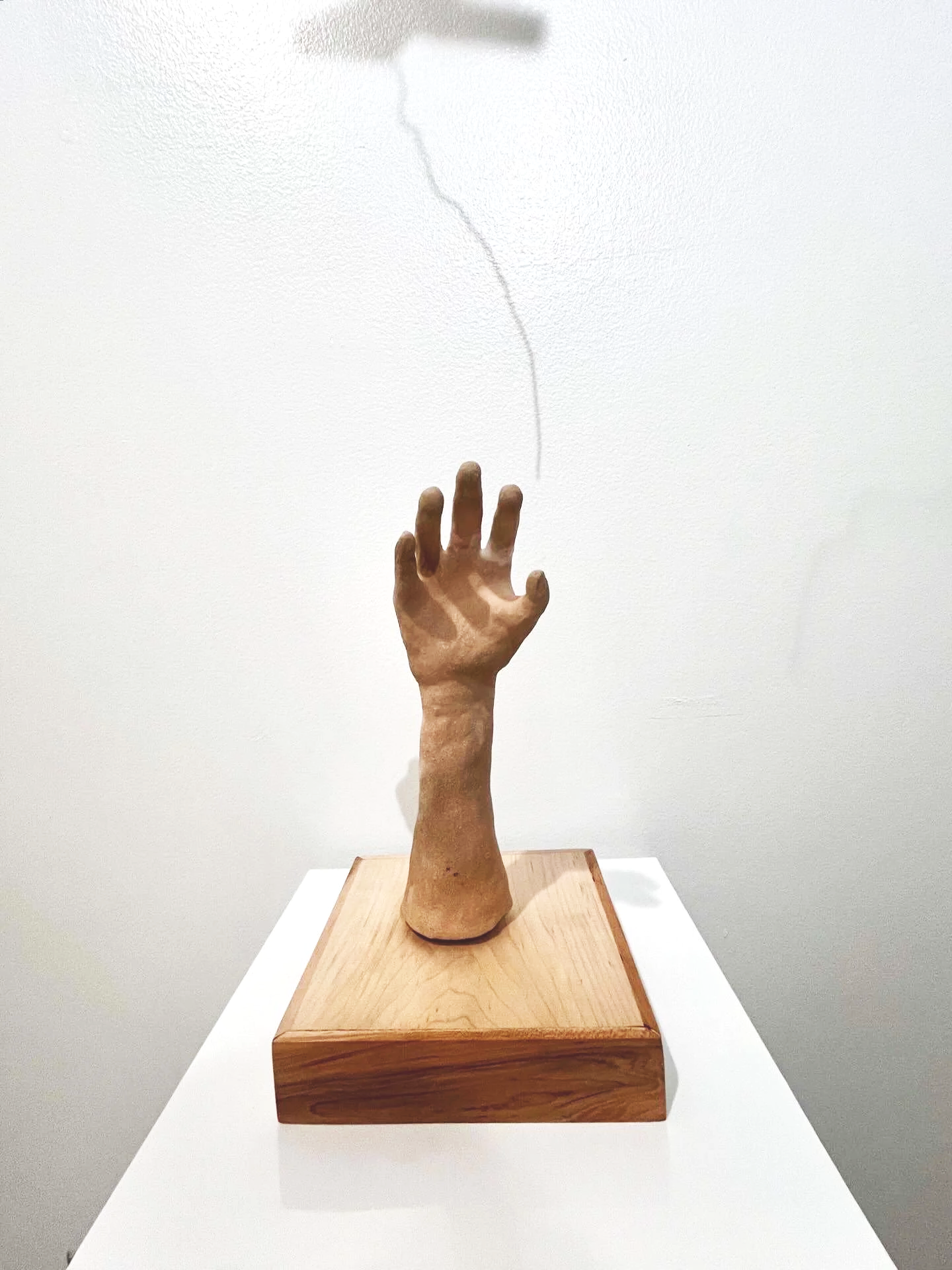
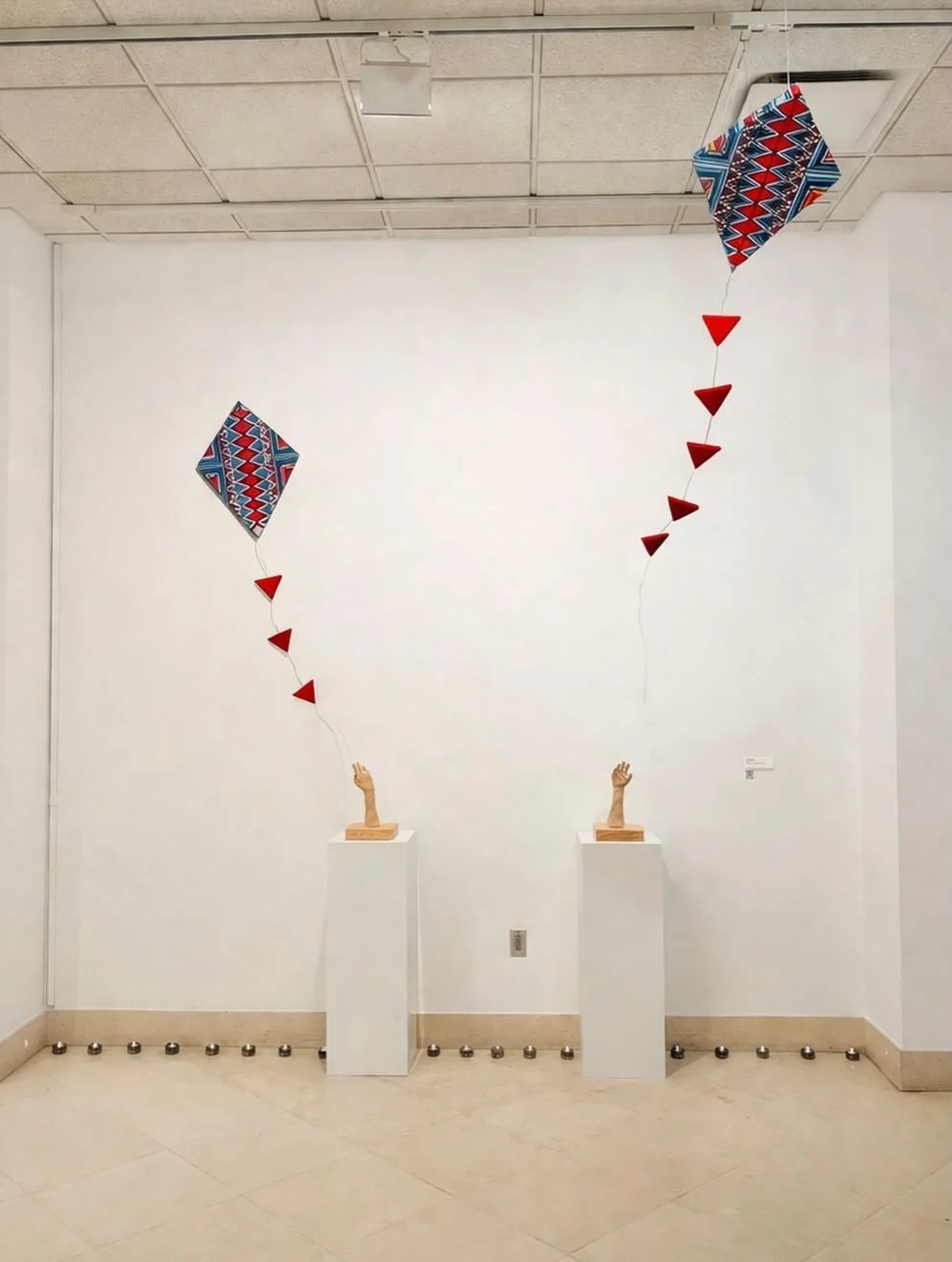
Flying Home, 2026
Stoneware, glaze, copper wire, slip, maple wood
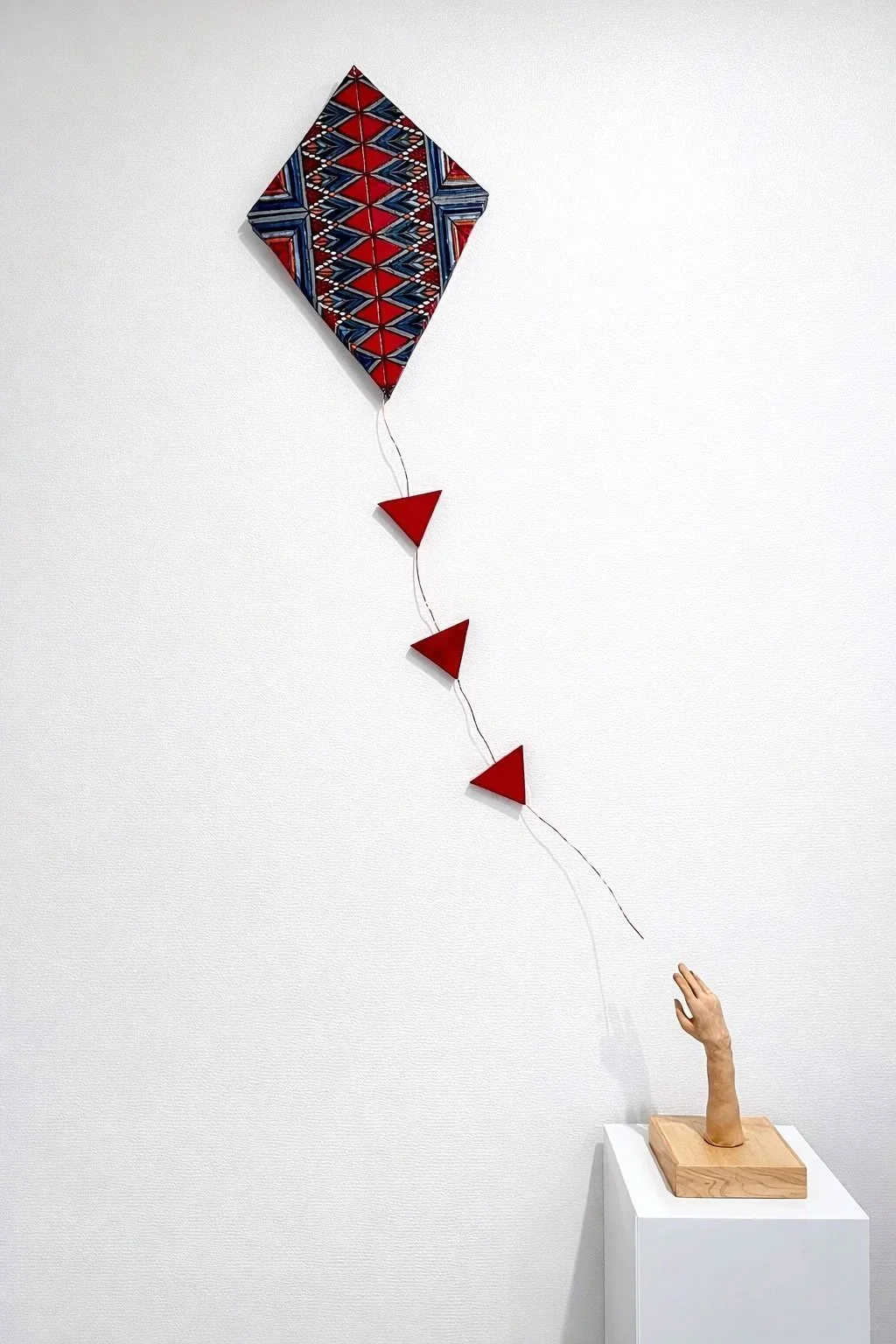
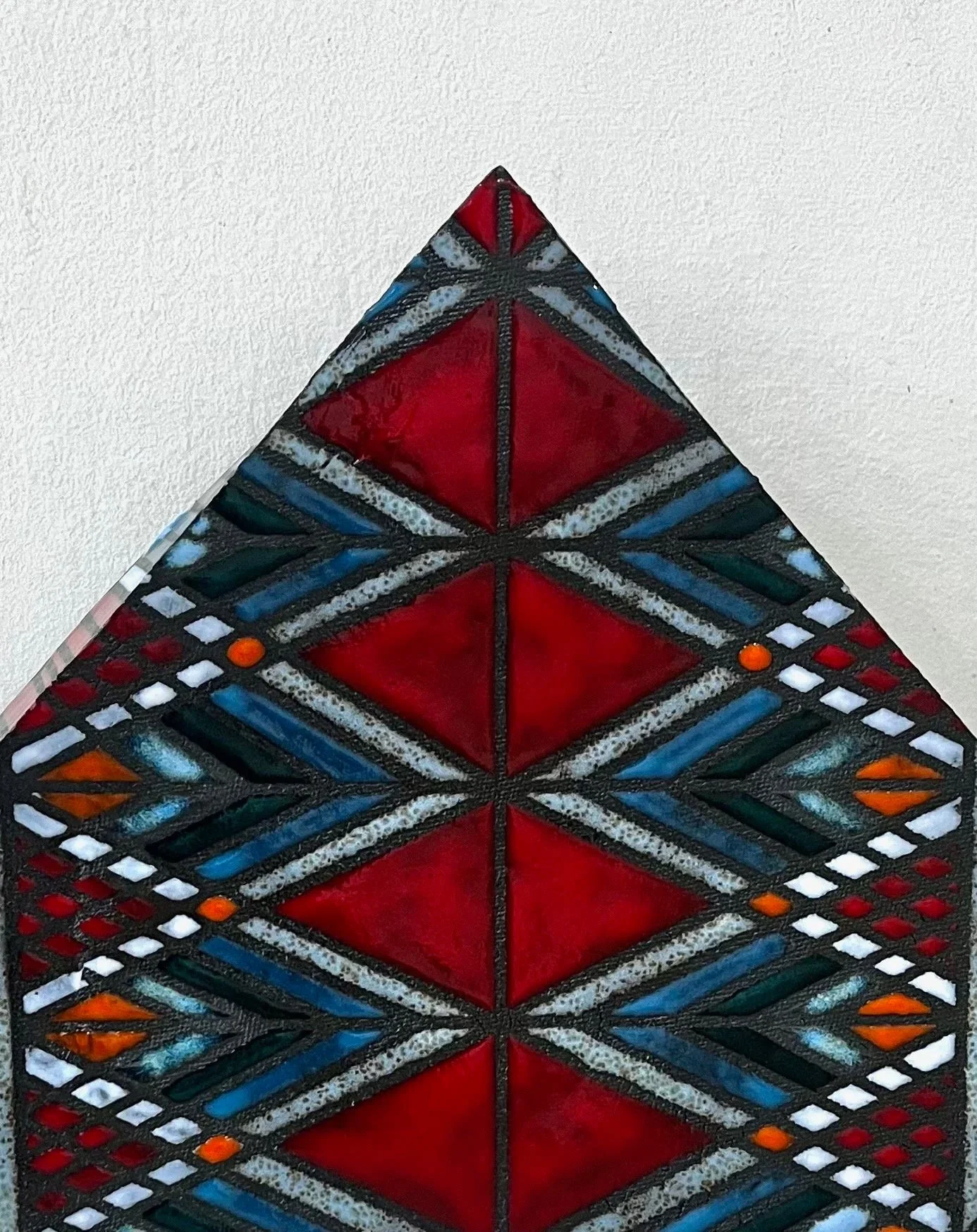
The kite holds a significant place in my childhood memories of growing up in occupied Palestine during the First Intifada. My uncles taught my siblings and me how to build and fly them, offering moments of joy amid curfews, school closures, and the persistent uncertainty of military incursions. In such conditions, the simple act of flying a kite became a quiet expression of resilience.
Decades later, the kite continues to serve as a symbol of hope for Palestinian children. In 2011, children in Gaza collectively flew over 12,000 kites, setting a Guinness World Record and affirming a shared spirit of perseverance in the face of ongoing hardship.
In this piece, a hand reaches toward a kite string, yet does not fully grasp it. This gesture reflects a sense of longing—an incomplete connection that speaks to the enduring aspiration for freedom and self-determination.
This work is further inspired by the poem If I Must Die by Refaat Alareer:
If I must die,
you must live
to tell my story
to sell my things
to buy a piece of cloth
and some strings,
(make it white with a long tail)
so that a child, somewhere in Gaza
while looking heaven in the eye
awaiting his dad who left in a blaze—
and bid no one farewell
not even to his flesh
not even to himself—
sees the kite, my kite you made, flying up above
and thinks for a moment an angel is there
bringing back love
If I must die
let it bring hope